Arms of Government in Nigeria: Complete Notes for Secondary Schools
Arms of Government in Nigeria: Complete Notes for Secondary Schools
If you are preparing for WAEC, NECO, or your JAMB exams, you need to pay close attention right now. This topic is almost guaranteed to appear in Section A of your Government or Civic Education paper.
I always tell my students that understanding the arms of government in Nigeria is the foundation of passing this subject. You cannot understand politics if you do not know who makes the law and who catches the thief. Let’s break it down simply so you can get your A.
Meaning of Arms of Government
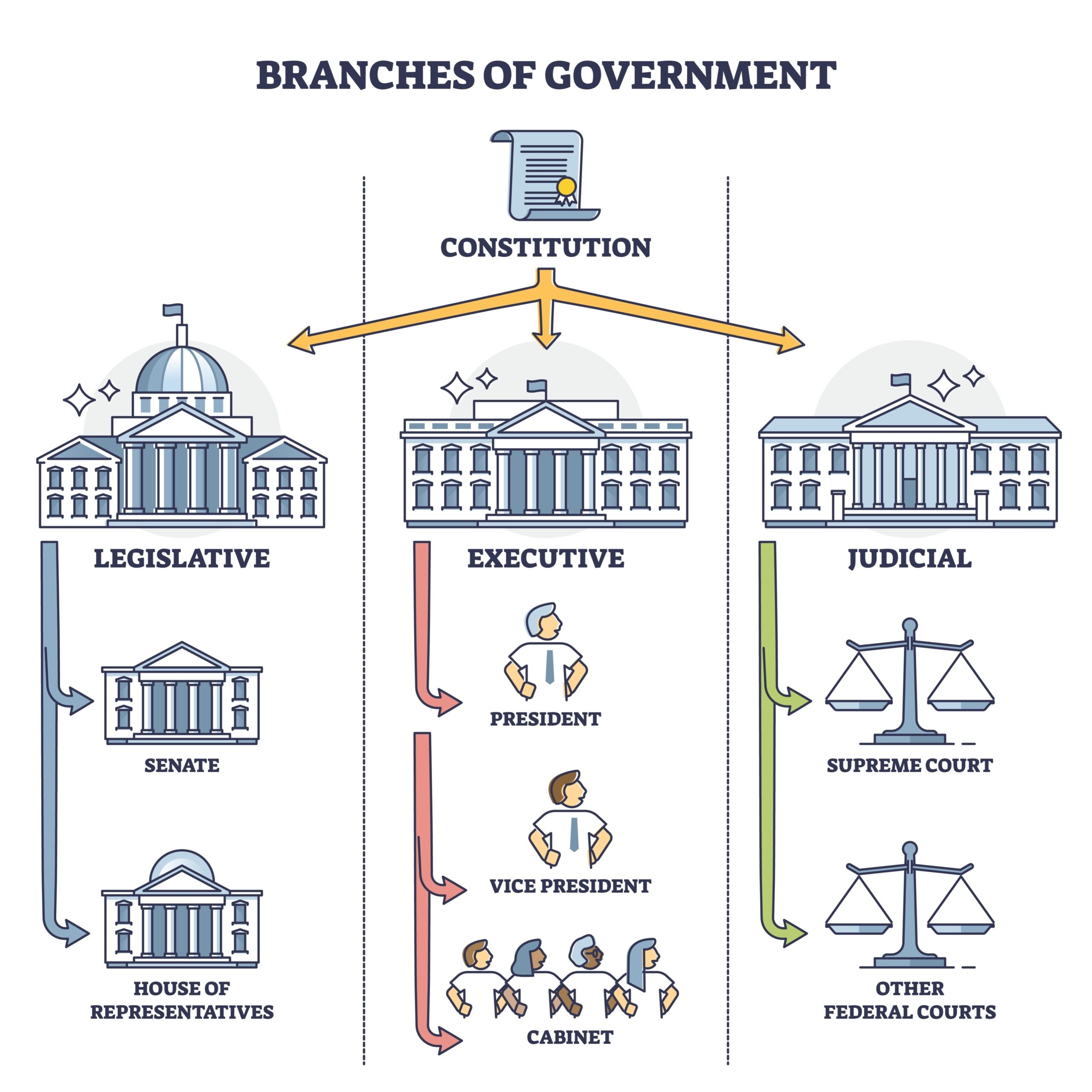
The arms of government refer to the three distinct branches into which government powers are divided to prevent tyranny and abuse of power. This concept is often called the Separation of Powers.
Think of it like a secondary school system. You have the Board of Governors (who make the school rules), the Principal and Teachers (who enforce the rules), and the Disciplinary Committee (who punish students that break the rules). If one person did all three jobs, they would become a dictator. In Nigeria, we split these duties to keep things fair.
The Legislature in Nigeria
The Legislature is the arm of government mainly responsible for making, amending, and abolishing laws for the peace and good governance of the country.
In Nigeria, we operate a Bicameral Legislature at the federal level. This means we have two chambers or houses. Together, they are called the National Assembly, located in Abuja.
-
The Senate: This is the upper house, headed by the Senate President.
-
The House of Representatives: This is the lower house, headed by the Speaker.
At the state level (like in Lagos or Kano), it is unicameral (one house) and is called the State House of Assembly.
Functions of the Legislature
The primary function of the legislature is law-making. Everything else is secondary.
However, for your exam, you need to list at least four points. Here is what they actually do:
-
Approval of Budget: The President cannot spend one Naira until the Legislature approves the budget. This is their biggest power.
-
Screening and Approval: They check and approve the appointments of Ministers, Ambassadors, and Judges. If they say no, the person cannot serve.
-
Impeachment: They have the power to remove the President or Governor if they violate the constitution.
-
Oversight Functions: They monitor government projects to ensure money is not being stolen.
The Executive in Nigeria
The Executive is the arm of government responsible for implementing and enforcing the laws made by the legislature.
This is the arm you see the most. It includes the President (who is the head), the Vice President, the Governors, and all the Ministers and Commissioners. When you see a police officer arresting a criminal or a road safety officer checking licenses, that is the Executive arm at work. They are the “doers” of government business.
Functions of the Executive
The main duty of the Executive is the maintenance of law and order and the day-to-day running of the administration.
Here are the key roles you should write in your notebook:
-
Defense of the Nation: The President is the Commander-in-Chief of the Armed Forces. It is their job to protect Nigeria from internal and external attacks.
-
Foreign Relations: The Executive represents Nigeria in international meetings like the United Nations or ECOWAS.
-
Budget Preparation: They calculate how much money the country needs and present the proposal to the Legislature.
-
Assent to Bills: A bill (a proposed law) does not become a law until the President signs it.
The Judiciary in Nigeria
The Judiciary is the arm of government responsible for interpreting the laws and the constitution.
We often call them the “last hope of the common man.” Why? Because if the Government cheats you, or a big company oppresses you, the Judiciary is the only place you can go to get justice. This arm consists of all the courts in the land, from the Magistrate Courts all the way up to the Supreme Court.
Functions of the Judiciary
The primary function of the judiciary is the interpretation of the constitution.
Other critical functions include:
-
Punishment of Offenders: When the police arrest a suspect, the Judiciary decides if they are guilty and what the punishment should be.
-
Settlement of Disputes: They settle arguments between individuals, between the government and citizens, or even between the State and Federal governments.
-
Protection of Rights: They ensure that the Fundamental Human Rights of citizens are not violated. You can read more about these rights on the Nigerian Constitution info page.
Checks and Balances Among the Arms
Checks and balances refer to the powers given to each arm of government to limit the actions of the other two arms.
The goal here is simple: stop anyone from acting like an emperor.
-
Legislature checks Executive: By refusing to approve the budget or rejecting a Minister nominee.
-
Executive checks Legislature: The President can refuse to sign a bill passed by the National Assembly (this is called Veto Power).
-
Judiciary checks Both: By declaring the actions of the President or the laws of the Legislature as “Unconstitutional” (null and void).
Modern Challenges Facing the Arms
Let’s be honest, the theory in the textbook is perfect, but the reality in Nigeria is different. To get extra marks in your theory section, mention these problems:
-
Executive Interference: Sometimes, the Governor or President tries to force the hand of the Judges or Lawmakers. This kills independence.
-
Corruption: When money changes hands to pass a bill or win a court case, the system fails.
-
Delay in Justice: As the saying goes, “Justice delayed is justice denied.” Court cases in Nigeria can drag on for ten years.
Conclusion
Understanding the arms of government is not just for passing exams; it is for knowing your rights as a Nigerian. Remember, the Legislature makes the law, the Executive applies the law, and the Judiciary interprets the law.
Memorize the functions I listed above, keep your definitions short, and you will crush that exam. Good luck!