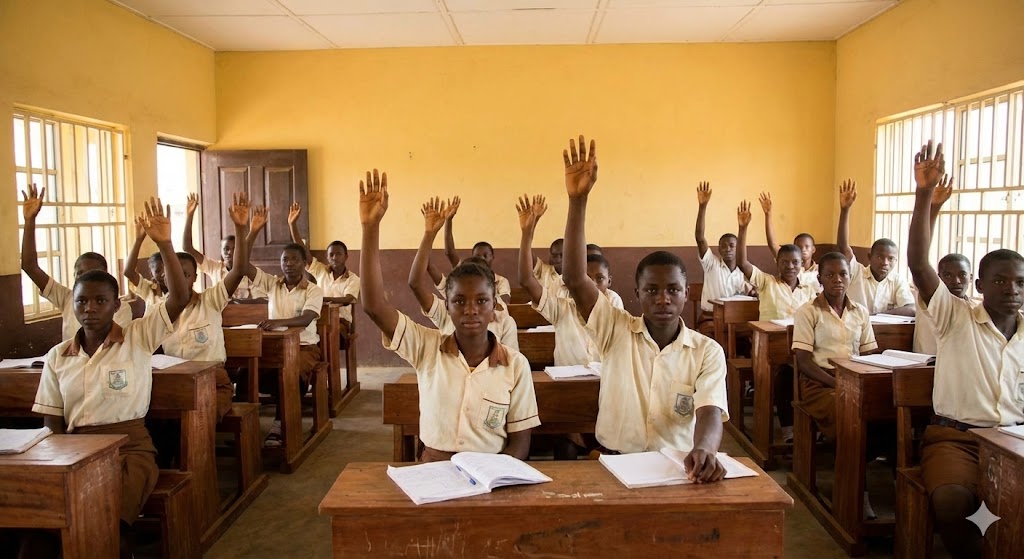
What is Civic Education? Definition and Importance for Students
What is Civic Education? Definition and Importance for Students
Let’s be honest, many students think Civic Education is just a “filler” subject. You might think it is just there to complete your timetable while you focus on Mathematics or English. That is a big mistake.
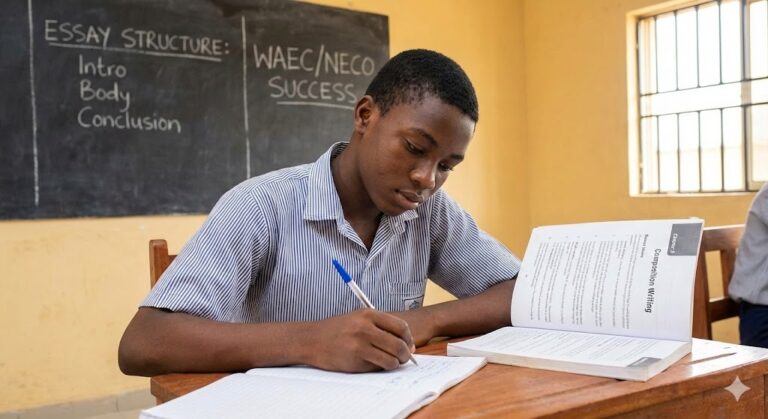
If you check the WAEC and NECO past questions, you will see that examiners are very strict with definitions. They don’t want “stories”; they want facts. Whether you are in JSS1 or preparing for your SS3 exams, understanding the meaning of civic education is the foundation of the entire subject. Without this definition, you cannot answer questions on the Constitution or Human Rights.

Definition of Civic Education
Civic Education is a branch of learning that teaches citizens about their rights, duties, obligations, and responsibilities to the state. It is the process of educating citizens on how to be effective and responsible members of society.
Think of Nigeria as a very expensive, complicated smartphone. If you buy an iPhone 15 today but you don’t read the manual, you will probably spoil it or never enjoy its full features. Civic Education is that manual. It teaches you how to operate within Nigeria without getting into trouble with the law or the government. Britannica defines civics as the study of the rights and duties of citizenship, and that is exactly what we are doing here.
The Need for Civic Education
We need Civic Education to correct social vices and instill a sense of patriotism in young Nigerians. Before this subject was reintroduced into the curriculum, there was a decline in our national values.
Here is the truth: a driver who drives against traffic (One-Way) in Lagos does so because he lacks civic sense. He does not care about the safety of others. We study this subject to ensure that the next generation—you—does not make the same mistakes as the older generation. It is the only way to sustain our democracy.
Objectives of Civic Education
The main objective of Civic Education is to produce disciplined, self-reliant, and responsible citizens who are conscious of their role in national development.
According to the Nigerian Educational Research and Development Council (NERDC), the specific objectives include:
-
To promote national unity: Teaching us to see ourselves as Nigerians first, before our tribes.
-
To teach values: Instilling right attitudes like honesty, integrity, and tolerance.
-
To create awareness: Helping students understand the Constitution and democratic processes.
-
To encourage participation: Teaching you that voting is not just for old people; it is your duty.
Agents of Civic Education
Agents of civic education are the social institutions or groups responsible for transmitting civic values to the citizens. You do not just wake up knowing how to be a good citizen; these groups teach you.
-
The Family: This is the first agent. If your father throws trash out of the car window, you will likely do the same. Charity begins at home.
-
The School: Here, you learn about national symbols like the Pledge and the Anthem.
-
Religious Bodies: Churches and Mosques teach morals that align with good citizenship.
-
The Mass Media: TV, radio, and social media (like Twitter/X) inform us about government policies.
Importance of Civic Education in Nigeria
Civic Education is important because it promotes peace, stability, and economic development by reducing conflicts.
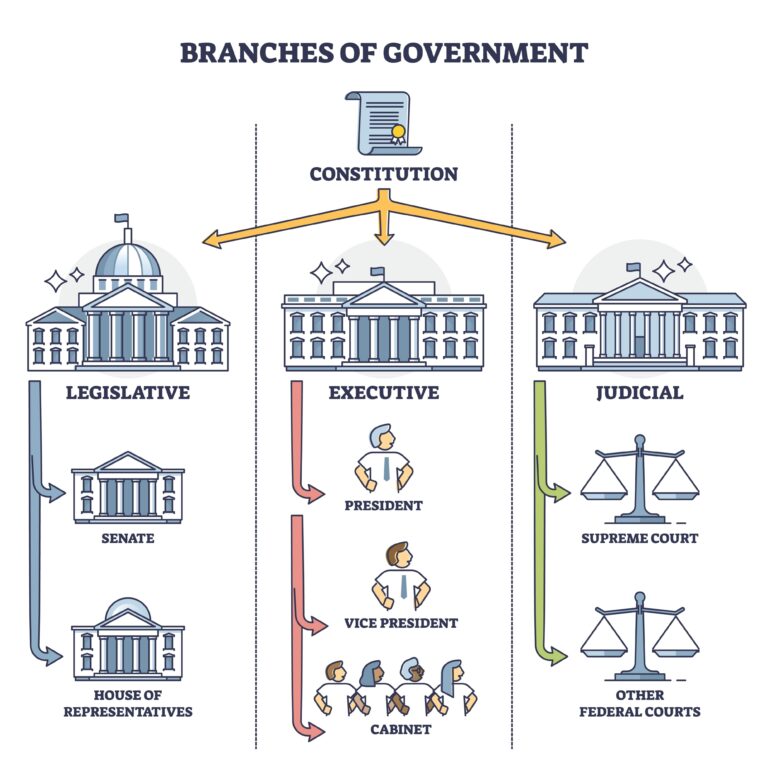
I often compare this to a football match. Imagine playing a match where nobody knows the offside rule and there is no referee. It will turn into a fight within ten minutes. Civic Education teaches us the “rules of the game” (The Constitution). When everyone knows their rights and respects the rights of others, the country functions smoothly. It helps us demand accountability from our leaders without resorting to violence.
Why Students Fail This Topic
I have marked enough scripts to know where students lose marks. The problem is usually Vagueness. When asked to define Civic Education, don’t just say “It teaches us to be good.” That is too basic for a secondary school student. You must mention keywords: Rights, Duties, Responsibilities, and State. If these four words are missing from your definition, you will likely get a ‘C’ instead of an ‘A’.
Conclusion
Understanding the meaning of civic education is not just about passing an exam; it is about knowing your place in Nigeria. It empowers you. When you know your rights, nobody can cheat you. Copy these notes into your notebook, memorize the definitions, and you will be ready for any question the examiners throw at you.